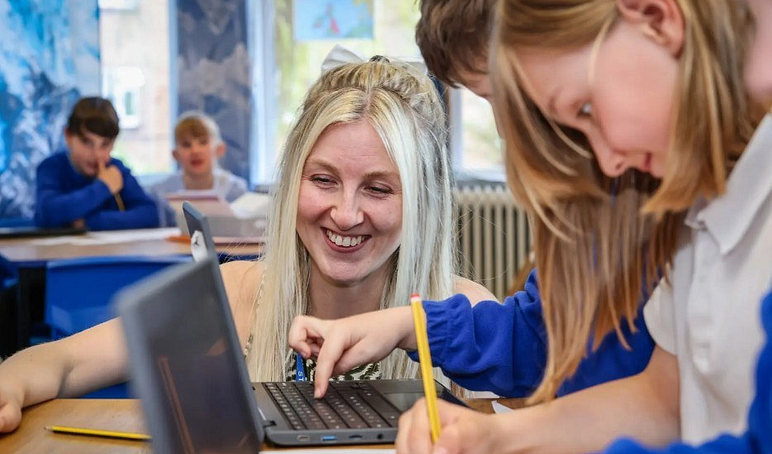
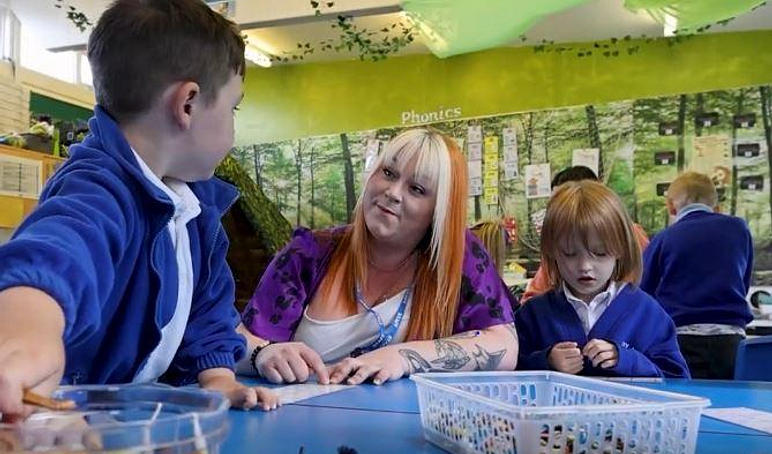
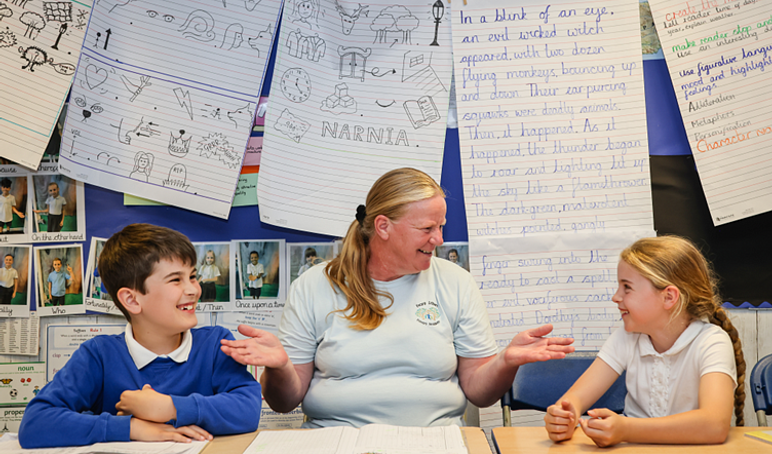
Another Teaching strategy the EEF recommends in their guidance linked here is to integrate and model the social and emotional behaviours we desire the children to adopt. This is paramount for their holistic development. By embodying empathy, kindness, and self-regulation ourselves, we provide a powerful example for children to emulate. Through our actions, we create a safe and supportive environment where children feel valued and understood, fostering trust and emotional security. Additionally, modelling healthy social interactions and conflict resolution techniques helps children learn how to navigate relationships effectively. By demonstrating emotion regulation strategies and instilling values such as compassion and integrity, we empower children to manage their emotions and make responsible decisions. As positive role models, we inspire children to strive for personal growth and emulate the positive behaviours they witness, thus shaping them into empathetic, resilient, and socially responsible individuals
Social and emotional skills lie at the heart of education, guiding us on a journey of self-discovery, connection, and growth. They empower us to navigate life’s complexities with courage and compassion, to forge meaningful relationships, and to contribute positively to our communities and the world at large. As educators, let us recognize the profound importance of nurturing these skills in ourselves and in the generations to come, for they hold the key to a brighter, more empathetic future for all.