Blog
Cross-phase
Rethinking Inclusion
What the EEF’s Myth-Busting Teaches Us About Classroom Practice
Hampshire Research School
—
Blog
Helping Key Stage 1 Pupils Become Confident, Independent Writers Through Planning and Monitoring Strategies

Share on:

by Hampshire Research School at Front Lawn Primary
on the

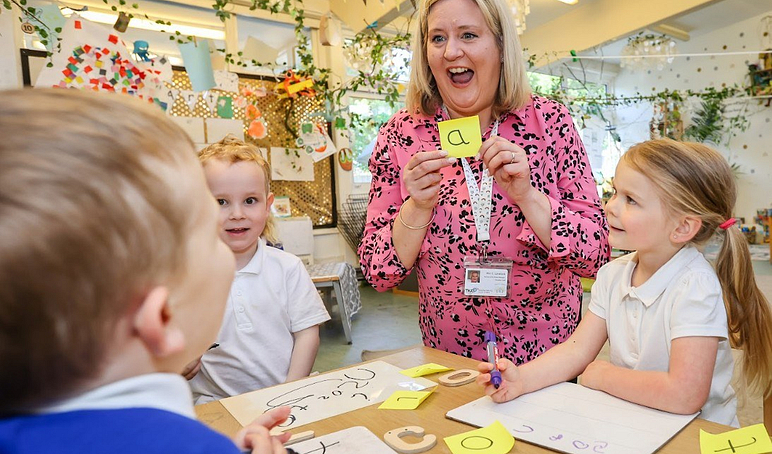
The EEF’s Improving Literacy in Key Stage 1 guidance highlights the importance of explicitly teaching pupils strategies for planning and monitoring their writing (Recommendation 5). This doesn’t just help children organise their ideas — it develops independence, improves writing quality, and builds a solid foundation for future learning.
Why It Matters
The EEF stresses that writing is a complex process involving multiple skills. By teaching pupils how to plan what they want to say and monitor their progress as they write, we support them in managing that complexity. This is especially important for disadvantaged pupils, who may have less experience of writing outside school.

Making It Happen in the Classroom

What’s the Impact?
When pupils are explicitly taught to plan and monitor their writing, they begin to approach writing with more purpose and confidence. According to the EEF, this leads to better writing outcomes and helps close the attainment gap — particularly for pupils who might not get as much writing support at home.
Embedding planning and monitoring strategies into daily writing lessons, as recommended by the EEF, equips pupils with the tools they need to succeed — not just in writing, but across the curriculum.

This website collects a number of cookies from its users for improving your overall experience of the site.Read more