04 Jul
in-person
Developing Primary Reading Comprehension
Engage with EEF guidance report on Reading Comprehension and discover actionable approaches for your Reading Curriculum

Hampshire Research School at Front Lawn Primary
—
Blog
“The more that you read, the more things you will know. The more that you learn, the more places you’ll go”

Share on:

by Hampshire Research School at Front Lawn Primary
on the

“The more that you read, the more things you will know. The more that you learn, the more places you’ll go.” This famous Dr Seuss quote adorns the walls of libraries and classrooms all over the United Kingdom for good reason; reading is arguably the most important skill we can teach our pupils.
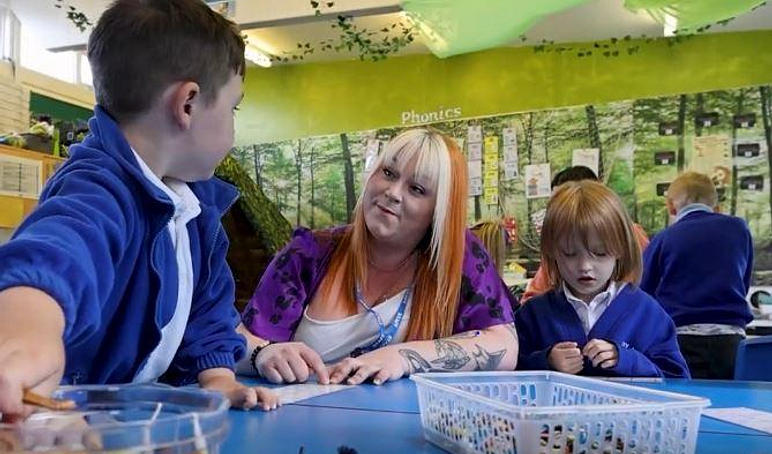
The role of phonics is key in quickly developing pupils’ word recognition and spelling, supporting them to become able readers. Phonics involves developing a child’s phonemic awareness, which is their ability to hear, identify, and manipulate phonemes, and to teach them the relationship between phonemes and the graphemes that represent them. There is extensive evidence to support the use of a phonics programme with pupils in Key Stage 1.
Although the Education Endowment Foundation (EEF) doesn’t recommend a particular phonics programme, it does outline some key factors to consider:

Many programmes highlight the benefits of team teaching (teachers and teaching assistants working together) in phonics sessions. The opportunities this provides to deploy staff effectively in whole class lessons, small group, and one-to-one targeted support should be carefully considered at the planning stage. Whilst many teaching assistants have undertaken full training to teach phonics, interestingly, qualified teachers tend to get better results when delivering phonics lessons. This indicates that pedagogical awareness is a key component for successful teaching of early reading and should be carefully considered when organising the staffing of groups.
Although phonics improves the accuracy of a child’s reading, it’s important to remember that it doesn’t necessarily improve their comprehension. It’s essential that children are also explicitly taught comprehension, the development of vocabulary and spelling.
For further information on how phonics can improve literacy outcomes in Key Stage 1, click here for the full EEF guidance report.

04 Jul
in-person
Engage with EEF guidance report on Reading Comprehension and discover actionable approaches for your Reading Curriculum
Hampshire Research School at Front Lawn Primary
This website collects a number of cookies from its users for improving your overall experience of the site.Read more