Home

: Part 3: Communication, Language and Literacy Part of ​‘The Power of the Prime Areas: Ensuring a Smooth Transition into Year 1’ blog series.

Blog


Part 3: Communication, Language and Literacy

Part of ​‘The Power of the Prime Areas: Ensuring a Smooth Transition into Year 1’ blog series.

by Exchange Research School at Don Valley Academy
on the

Thumbnail image

Louise Stanton

Louise Stanton is the passionate and dedicated Headteacher of Waverley Academy, with a career in Early Years and Primary Education spanning over 19 years. She is committed to ensuring quality first teaching for all pupils, underpinned by research-informed practice and a relentless focus on equity and excellence.

Read more aboutLouise Stanton
IMG 2767

Nicky Turner

Nicky Turner has worked in the early years sector for over 25 years in a variety of roles including Senior Local Authority Advisor, Children’s Centre Teacher, Early Years Leader, SLE and currently Early Years Primary Lead for Astrea Academy Trust. Nicky has extensive experience and expertise in the mobilisation of evidence based research projects to raise outcomes for children living in socio economically challenged areas.

Read more aboutNicky Turner

As children progress into Year 1, it is crucial to continue nurturing their communication, language, and literacy skills, building seamlessly on the strong foundations laid in the Early Years. A whole-school core text approach supports this continuity, sustaining children’s love of stories and immersing them in language-rich experiences. In Year 1 at Waverley Academy, children benefit from carefully planned repeated reads’ — engaging with high-quality texts daily that are intentionally chosen to extend and deepen vocabulary over time. Tools like Launchpad for Literacy remain embedded, supporting the development of visual and auditory memory, even down to the way labels and print are presented in the environment. Crucially, adult interactions in continuous provision remain just as important as in EYFS. We explicitly teach tier 2 vocabulary and skilled adults model rich language, ask purposeful questions, and scaffold conversations, all of which enhance children’s expressive and receptive language.

As James Britton famously stated, reading and writing float on a sea of talk,” emphasising that spoken language is the foundation upon which literacy is built — and it must continue to be purposefully developed throughout Key Stage 1.

Waverley blog 5
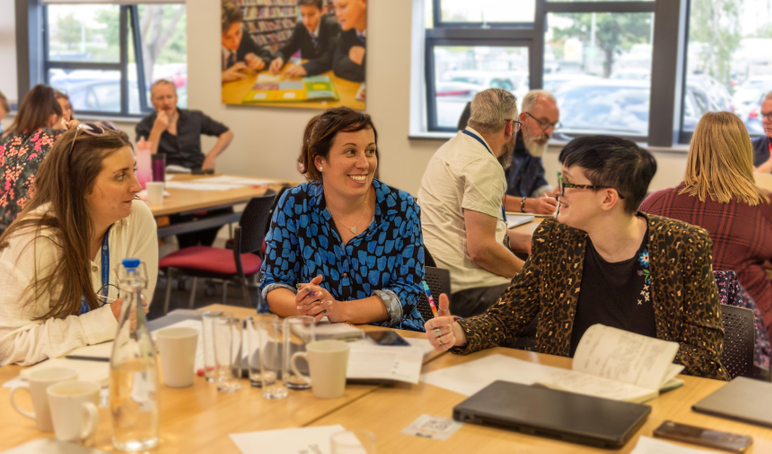
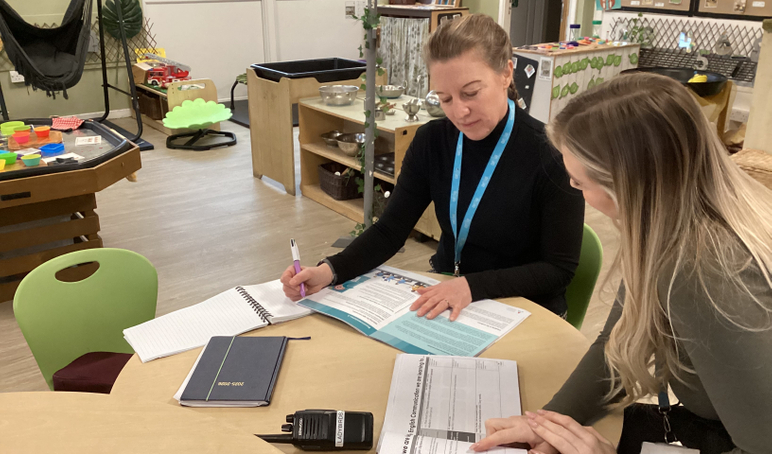
Pictures from Waverley Academy, Doncaster

Reflective Questions:

- Do all staff model new vocabulary and can they engage in high quality interactions to support children’s oral language development?
- Do you prioritise tier 2 vocabulary for explicit teaching?
- How do you promote a love of literacy and rich conversations around texts?


Find out more about evidence-informed strategies to support children’s communication and language development on the EEF’s Early Years Evidence Store.

You can read more mini-blogs in The Power of the Prime Areas: Ensuring a Smooth Transition into Year 1’ series here:

Introduction: The Power of the Prime Areas: Ensuring a Smooth Transition into Year 1
Part 1: Personal, Social and Emotional Development in Year 1
Part 2: Physical Development
Part 4: Professional Conversations


References


Education Endowment Foundation Early Years hub | EEF

This website collects a number of cookies from its users for improving your overall experience of the site.Read more