
Blog
Primary
Multilingualism
What an EAL Code Can’t Tell Us
East London Research School
—
Blog
A headteacher Q&A series from East London Research School with Polly Crowther

Share on:

by East London Research School
on the
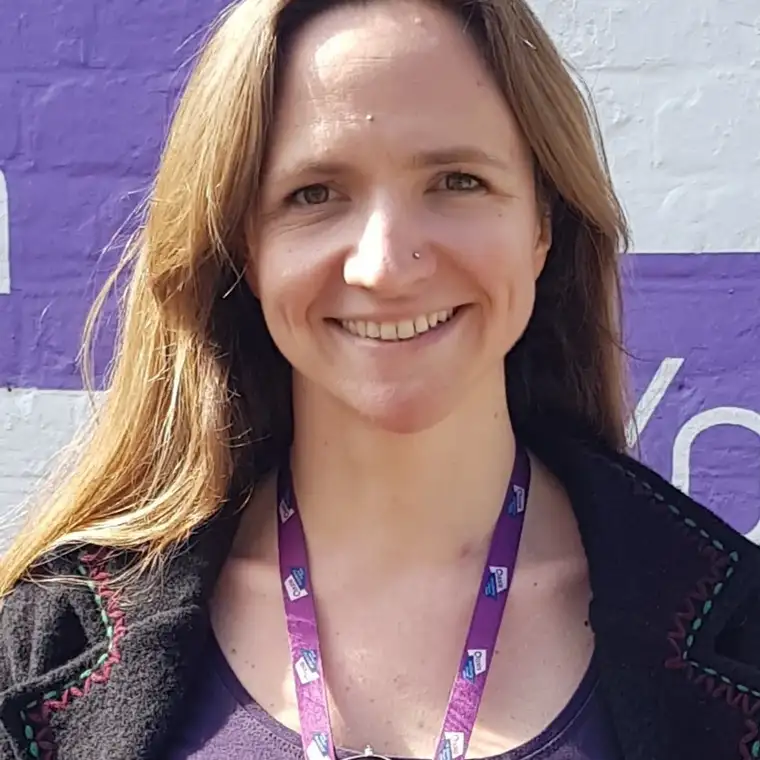
Polly is currently Headteacher at a primary school in Kent. She has experience teaching in every phase from EYFS to KS5 and has held leadership roles in Early Years and English. She has been an Evidence Lead in Education at East London Research School for six years, working with a range of settings, leaders and educators to bring evidence to life in a wide variety of contexts.
What’s a recent win in your school that you’d attribute to strong research evidence?
This year, we introduced a new approach to staff professional development based on the EEF’s guidance for Effective Professional Development. We have an annual professional development curriculum built around our school values and habits, as well as flexible components that respond to school need. We have also rolled out instructional coaching, which has strong evidence as an approach as well as aligning to the mechanisms for effective PD.
In our context, we have historically had a lot of time for knowledge sharing and setting goals. These are great but are not enough on their own. The impact of incorporating modelling, social support and practice (or ‘rehearsal’) have been transformational. It took a real investment of time and energy to pilot, develop and implement – and we still have a long way to go – but we are seeing significant impact in our pedagogical practices and impact on vulnerable learners.
What strategies keep workload manageable during periods of implementation?
The mantra “Reflect – Monitor – Adapt” has to be key here. It’s not always easy to predict what the workload impact of implementation will be and we have to be responsive to feedback from the implementation team as well as the impact. Setting up implementation projects to incorporate these elements from the start is powerful.
Ask yourself:
Adaptation has to be intelligent: it can be easy to react to challenge by trying to just push through or eliminate aspects of the workload. Resolving tensions is not always about changing the implementation itself – sometimes it takes a change of language, pace or understanding the positive effects to make the workload manageable.
Reflecting on previous experiences of applying or cascading research, what are lessons learned?
The “why” of implementation is the most important thing to keep it going, and there is no such thing as overcommunicating this. What you say is not always the same as what people hear, and it’s never enough to hear it once. People can quickly forget about the “why” of implementation amongst the varied demands of our roles and we need to constantly come back to it if we want everyone to internalise the value of what we are doing.
In our PD work, for example, we embed key messages about the difference expert teaching makes to our pupils, the impact of alignment and the value of practice into every single session.
Which areas of research are you most interested in exploring next?
Like many schools, we are constantly striving to support our most vulnerable pupils and exploring the research into adaptive teaching, scaffolds and metacognitive approaches to developing independence will be really important for us.
We are also looking as a school at how we embed the strong foundations that are established in the early years. This means developing a whole-school understanding of the evidence for pedagogies of play, alongside direct instruction.
What role does evidence have in challenging misconceptions or accelerating progress in the EYFS stage of education?
I’m really lucky that my staff team understand the value of early years and have great respect for what happens in EYFS.
I am currently working to help our new parents to understand the importance of this phase for their children’s learning. It’s our lowest attendance cohort, because for many of our children attendance is not compulsory yet. Parents sometimes seem surprised by how much “actual learning” (a parent’s words) children can miss in this phase – I think we can do a better job of helping our community to understand the critical role of the early years in their child’s development. There is so much evidence for the rate of brain development and the potential for changing life trajectories during the early years that we are perhaps not always making enough noise about.
This website collects a number of cookies from its users for improving your overall experience of the site.Read more