Central to our work as a Research School this year, is an ongoing partnership we have with Brighton and Hove City Council. The aim of the partnership is to improve outcomes for disadvantaged pupils in the city, and the current focus is developing approaches to spoken language & communication (oracy) and vocabulary with a group of around 20 schools. This narrowed literacy focus was established following a year-long scoping and exploration phase working with leaders from across the city.
It is tremendously engaging and exciting work to be involved with, and we are lucky to be working with professionals so committed to improving the attainment of the disadvantaged pupils they serve.
The breadth of the project is too large for a single blog, but I thought it would be useful to highlight just one aspect that we have explored so far to exemplify how our research school partnerships support the participant schools.
Back in November was spent a day together exploring spoken language and communication and why this connects so directly to addressing educational disadvantage. All pupils benefit from being taught how to talk, being taught through talk and being taught about talk but disadvantaged pupils benefit from this disproportionately.
We explored many facets of spoken language & communication and with the partnership being cross phase, different aspects will resonate more with different schools and we are at the point of adoption decisions being made.
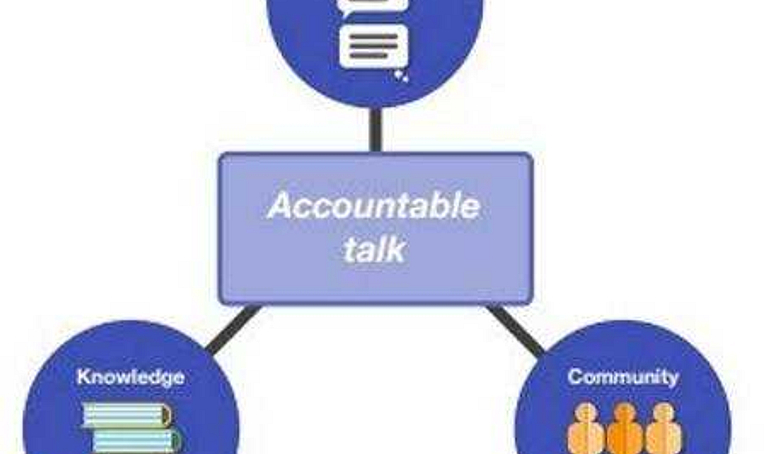
The area of discussion I have chosen to highlight is accountable talk, developed by the academic Lauren Resnick. This framework highlights:
Accountability to knowledge: for example, by seeking to be accurate and true.
Accountability to reasoning: for example, by providing justifications for claims.
Accountability to community: for example, listening and showing respect to others.